Passive Lock Audit Trail: Offline Records Done Right
A passive lock audit trail travels with the person who opened the door. Here is how to turn offline Electronic Key records into a log auditors can trust.
- #Audit Trail
- #Access Logs
- #Passive Lock
- #Electronic Key
- #Battery-free Smart Lock
- #Compliance
Ask any security manager what happens after an incident at a remote cabinet or back-of-house door, and the first question is always the same: who opened it, and when? With shared mechanical keys, there is no answer. With locks that depend on a live connection, the answer disappears wherever the signal does. A passive lock audit trail works differently, because the record travels with the person who opened the door.
How Passive Lock Records Work Offline
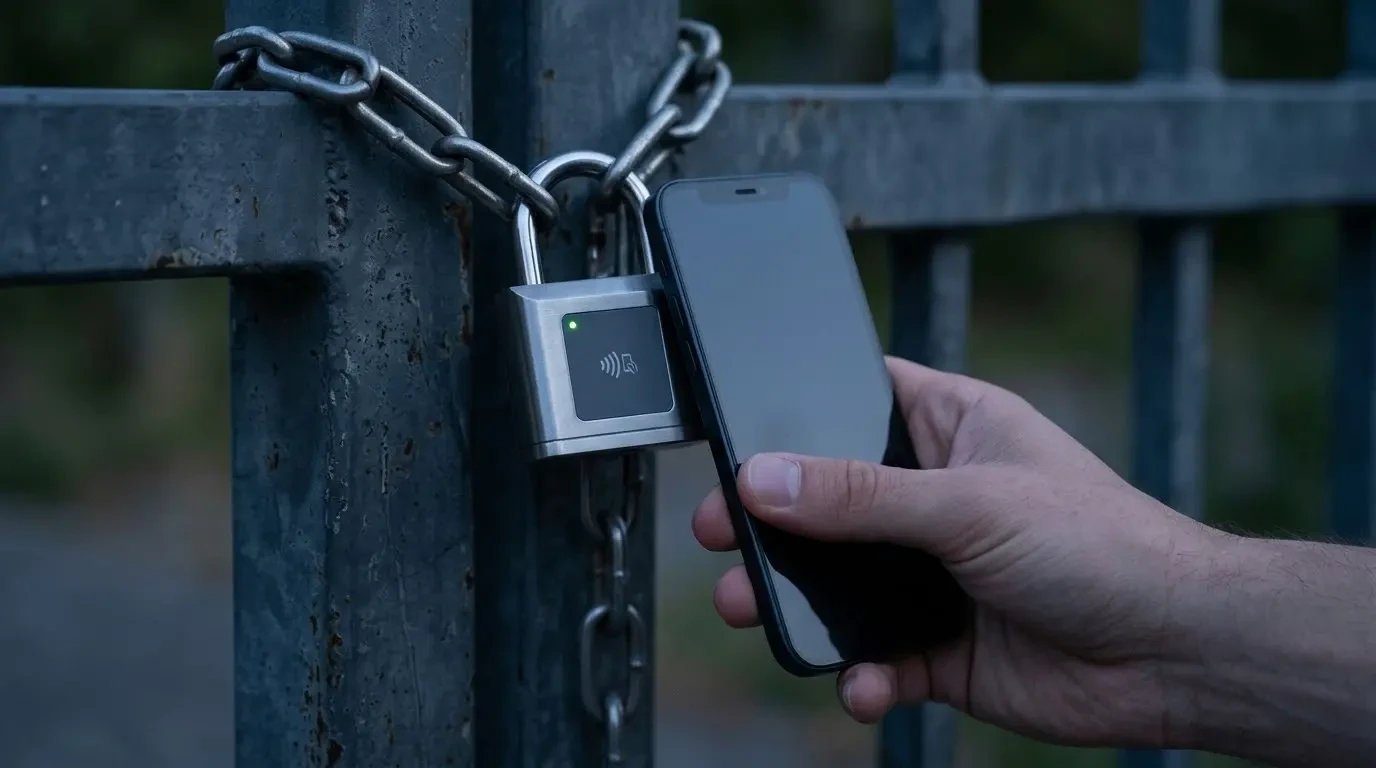
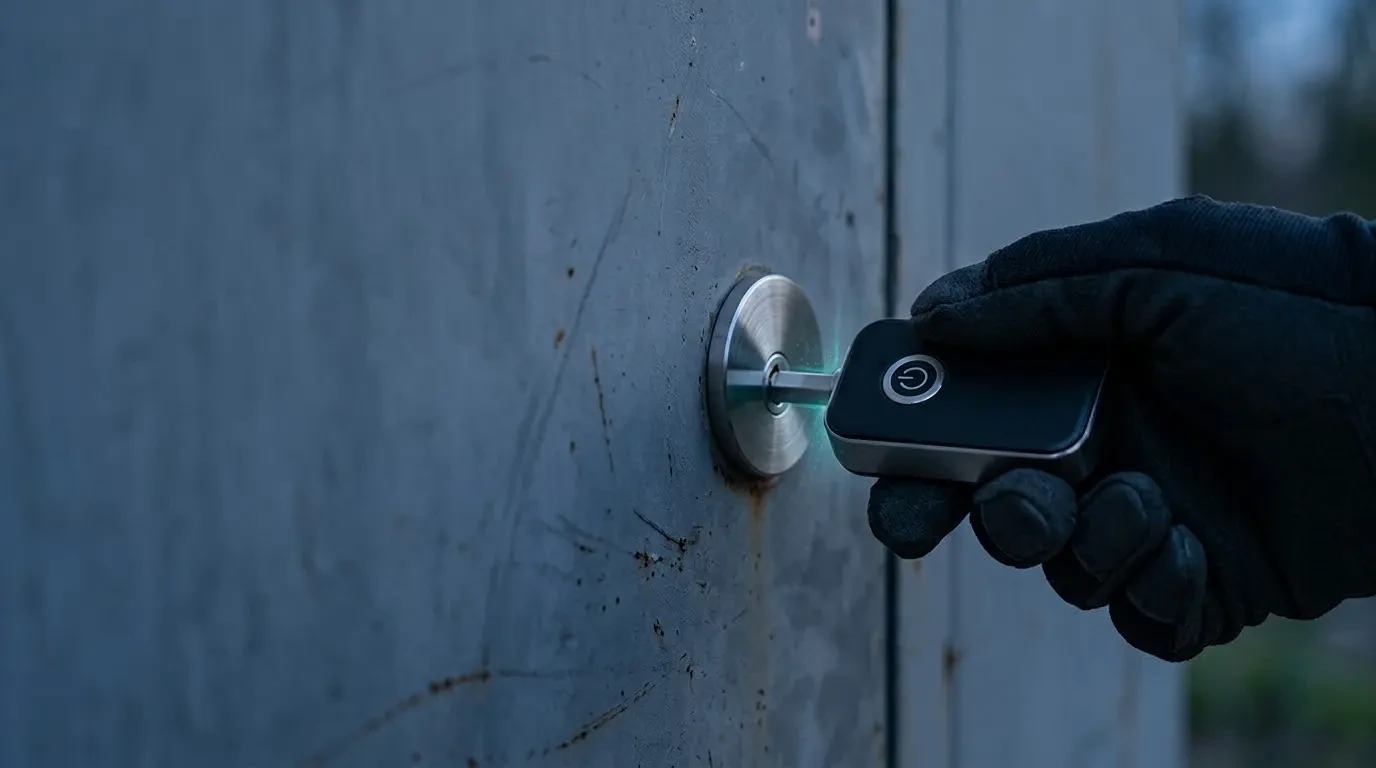
A Passive Lock body holds no battery or capacitor. When an Electronic Key is inserted or touched to the lock, the key powers it and the two authenticate with AES-128 or stronger encryption, typically completing the whole sequence within 3 seconds. The key then keeps a record of the operation. Each Electronic Key stores at least 1,000 operation records offline, so a technician can work through a full run of sites with no coverage and still bring back a complete log to sync.
Step by Step: Turning Offline Records Into an Audit Trail
1. Issue keys to people, not teams. A shared key makes every record ambiguous. A single Electronic Key can be paired with 65,000+ locks, so scope each person's rights to the locks and time windows their work actually needs. 2. Make the charging dock your sync point. Keys need charging, with at least 1,000 Passive Lock operations per full charge. Syncing every time a key is charged keeps logs current and well within the key's offline storage. 3. Retain and actually review the logs. Retention rules vary by framework. For example, PCI DSS expects physical access data to be kept for at least three months, according to ManageEngine's summary of Requirement 9. Storage alone is not enough: NIST's physical access control guidance treats unreviewed logs as a common gap, as UpGuard's breakdown of PE-3 notes. Name a reviewer, set a frequency and define what counts as an anomaly, such as an opening with no matching work order. 4. Keep a live key inventory. PE-3 also calls for inventorying keys and changing access when staff leave. With Electronic Keys, that means revoking rights the same day.
Know the Limits
The audit trail is only as good as key discipline. Keys must be charged, synced and accounted for. The Electronic Key is rated from -20 °C to +55 °C at IP65, while the Passive Lock body is rated from -40 °C to +80 °C at IP68. In extreme cold or heat, keep keys in a vehicle cab or control room between uses.
Getting More From Your Passive Lock Audit Trail
Passive Locks are rated for at least 10,000 unlocking cycles, and every one of those openings can be accounted for. Start by mapping who holds which key and when each key syncs. Contact us for an assessment of your current key and log practices.
Sources
1. PCI DSS Requirement 9: Explained — ManageEngine — https://www.manageengine.com/log-management/compliance/pci-dss-requirement-9.html 2. PE-3: Physical Access Control — UpGuard — https://www.upguard.com/compliance/nist-sp-800-53/pe/pe-3