Passive Locks for Solar Farms: Solving Desert O&M Problems
Remote, dusty desert solar plants are hard on hardware. Drawing on published deployments, here is how passive locks solve three recurring O&M problems.
- #Solar Farm
- #Renewable Energy
- #Passive Lock
- #Electronic Key
- #O&M
- #Access Control
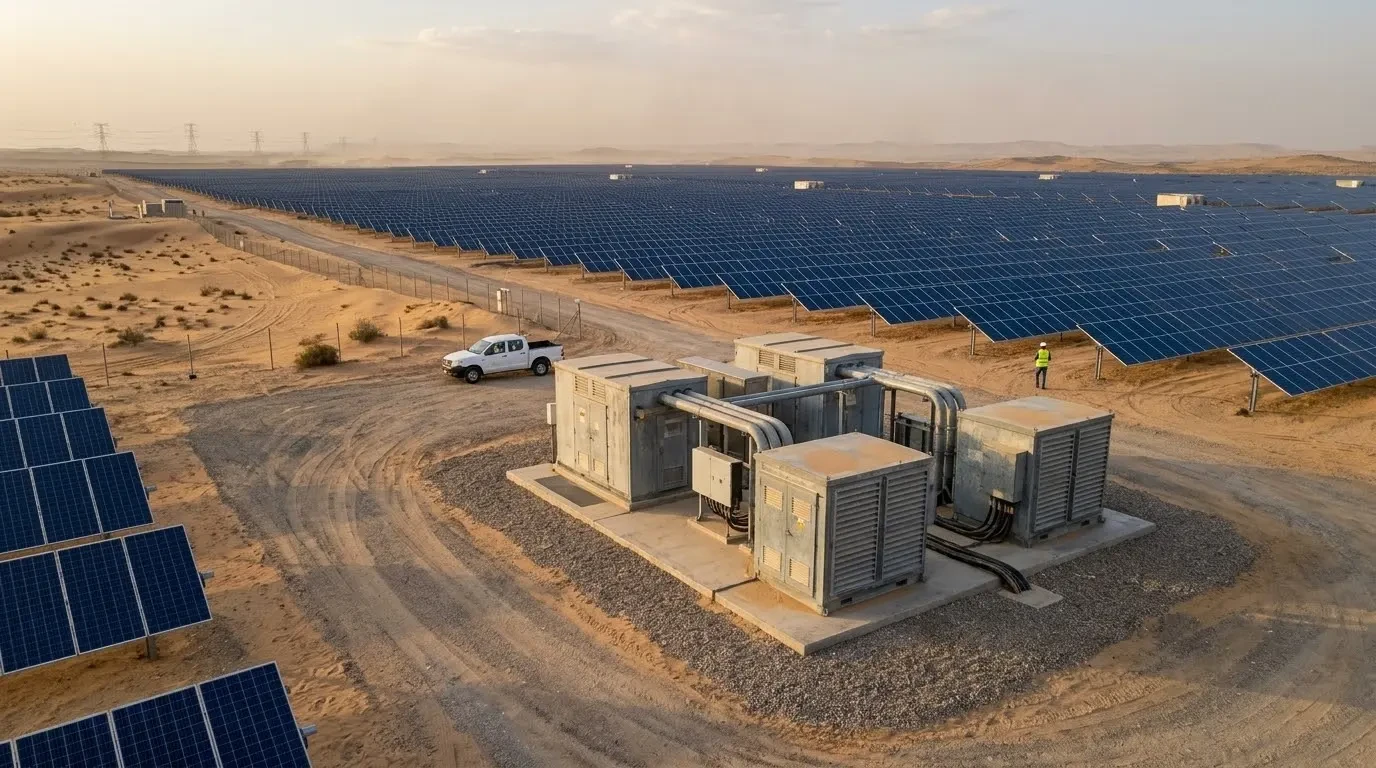
Abundant sunlight often comes with empty land around it. Utility-scale plants in deserts such as Chile's Atacama sit far from the nearest town, yet every combiner box, inverter station and medium-voltage enclosure on site still needs controlled access. Here is how passive locks for solar farms address three problems that operators of these remote sites keep running into, drawing on published deployments.
1. Remote Sites Make Every Maintenance Visit Expensive
In the Atacama, where average rainfall is around 15 mm a year, plants such as Pozo Almonte can be far from population centres, so getting engineers and technicians on site is costly and slow, Solarplaza reports. Any lock that needs its own battery replaced adds yet another trip to a list that is already long.
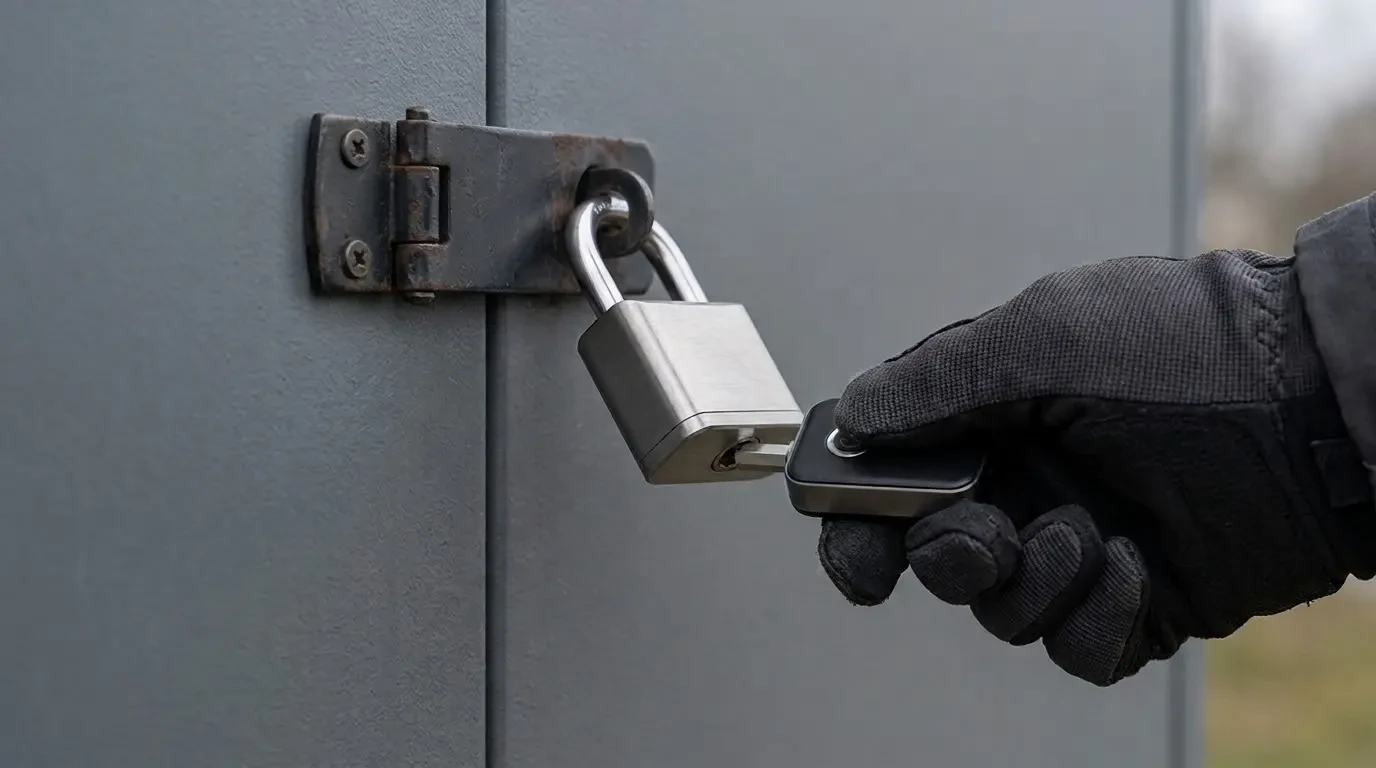
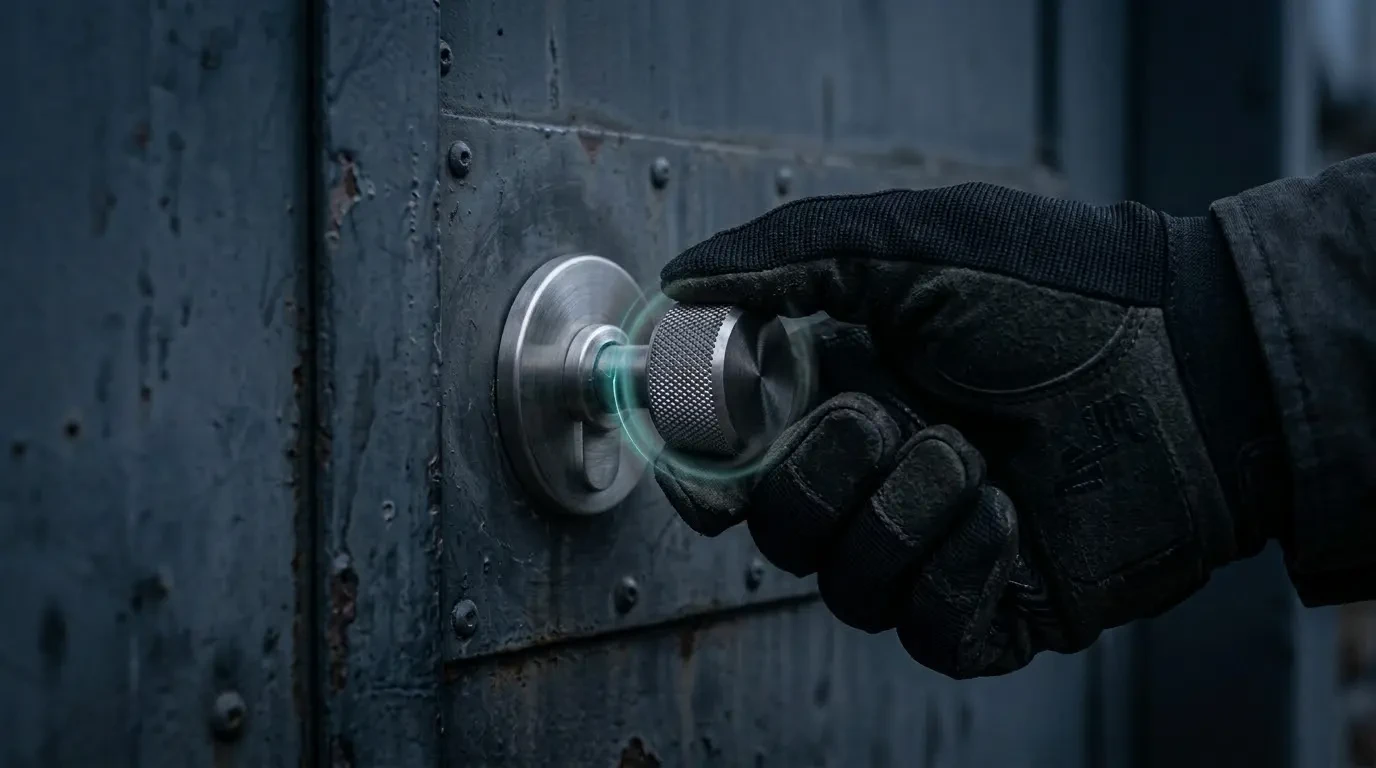
A Passive Lock has no battery or capacitor in its body. The Electronic Key powers it at the moment of contact, so there is nothing in the lock to service between visits. German PV operator greentech chose key-powered cylinders for its outdoor PV systems partly for this reason: in a deployment documented by ASSA ABLOY, staff no longer have to track down individual cylinders for tasks such as battery changes.
2. Dust, Heat and Corrosion Wear Down Field Hardware
The same Solarplaza report lists sandstorms and corrosive conditions among the daily stressors of operating assets in the Atacama. Hardware on combiner boxes and inverter skids takes that punishment every day.
With nothing inside to drain, leak or degrade in the heat, the Passive Lock body is rated from -40 °C to +80 °C at IP68 and for at least 10,000 unlocking cycles. The Electronic Key is the more sensitive part of the system, rated from -20 °C to +55 °C at IP65. Keep keys in vehicles or the control building rather than leaving them exposed on the array.
3. Proving Only Qualified People Opened Electrical Enclosures
In a deployment documented by Sera4, Solarpack had to meet updated Chilean rules for operating and maintaining electrical installations at its Atacama parks. That meant limiting access to qualified personnel, working without reliable connectivity and issuing digital keys from headquarters in Santiago. In its first two weeks, the system logged 382 site visits.
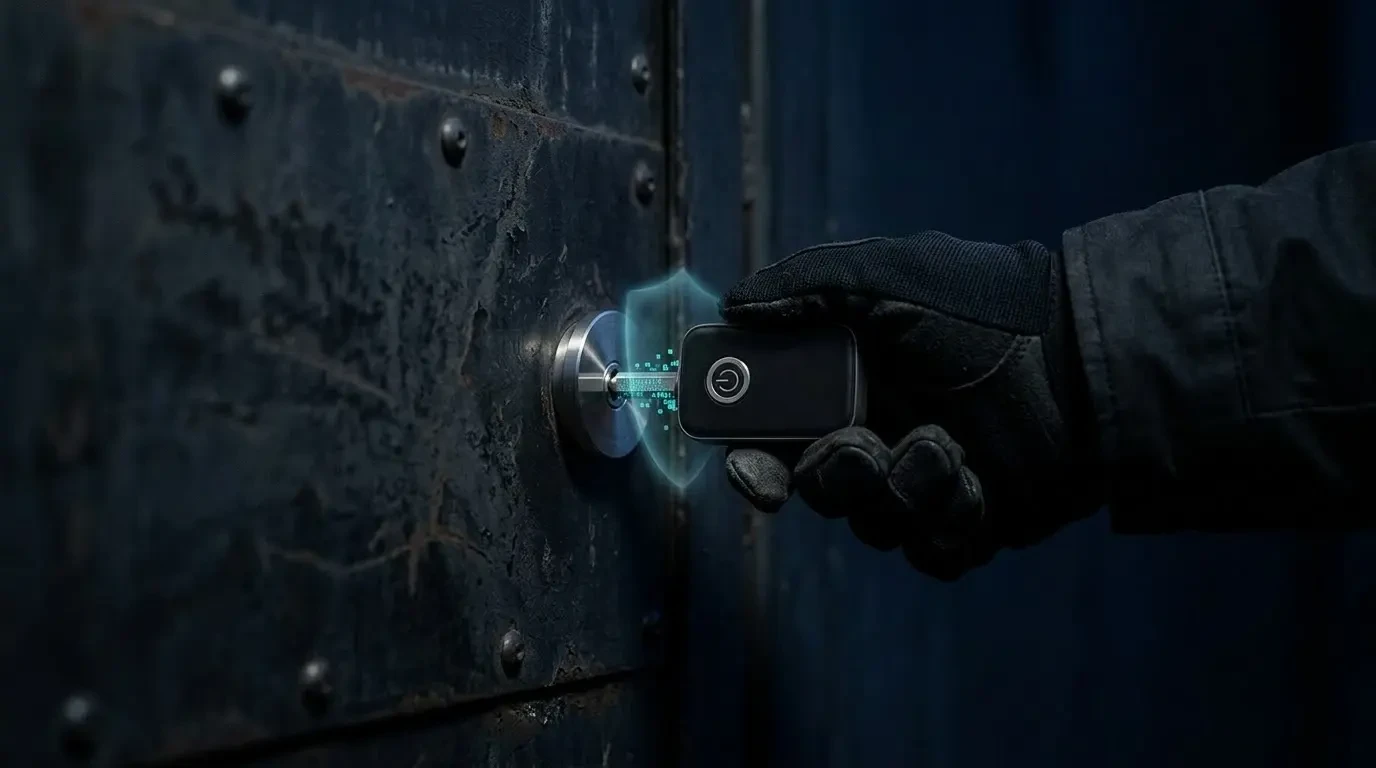
A passive lock system meets the same requirements in its own way. Each Electronic Key carries only the access rights its holder is qualified for, and a lost key can be revoked without changing any lock. One key can be paired with 65,000+ locks, which suits plants with thousands of enclosures. It stores at least 1,000 operation records offline, so the audit trail builds up even where there is no network. Authentication uses AES-128 or stronger encryption, and unlocking is typically completed within 3 seconds.
The trade-off is key management. Each key supports at least 1,000 Passive Lock operations per full charge, so plan charging and spare keys around long shifts across large plants.
Deploying Passive Locks for Solar Farms
Start with one block of combiner boxes and its inverter station, confirm the workflow with your O&M team, then scale across the plant. Check local electrical safety rules before assigning access rights. Contact us to plan a passive lock rollout for your solar portfolio.
Sources
1. Asset Owners Adapt O&M for Harsh Chile Environment — Solarplaza
2. Customer Case: greentech GmbH — ASSA ABLOY